

Scientific Sources
Below are major peer-reviewed studies and authoritative publications
related to GLP-1 physiology and GLP-1–based therapies:
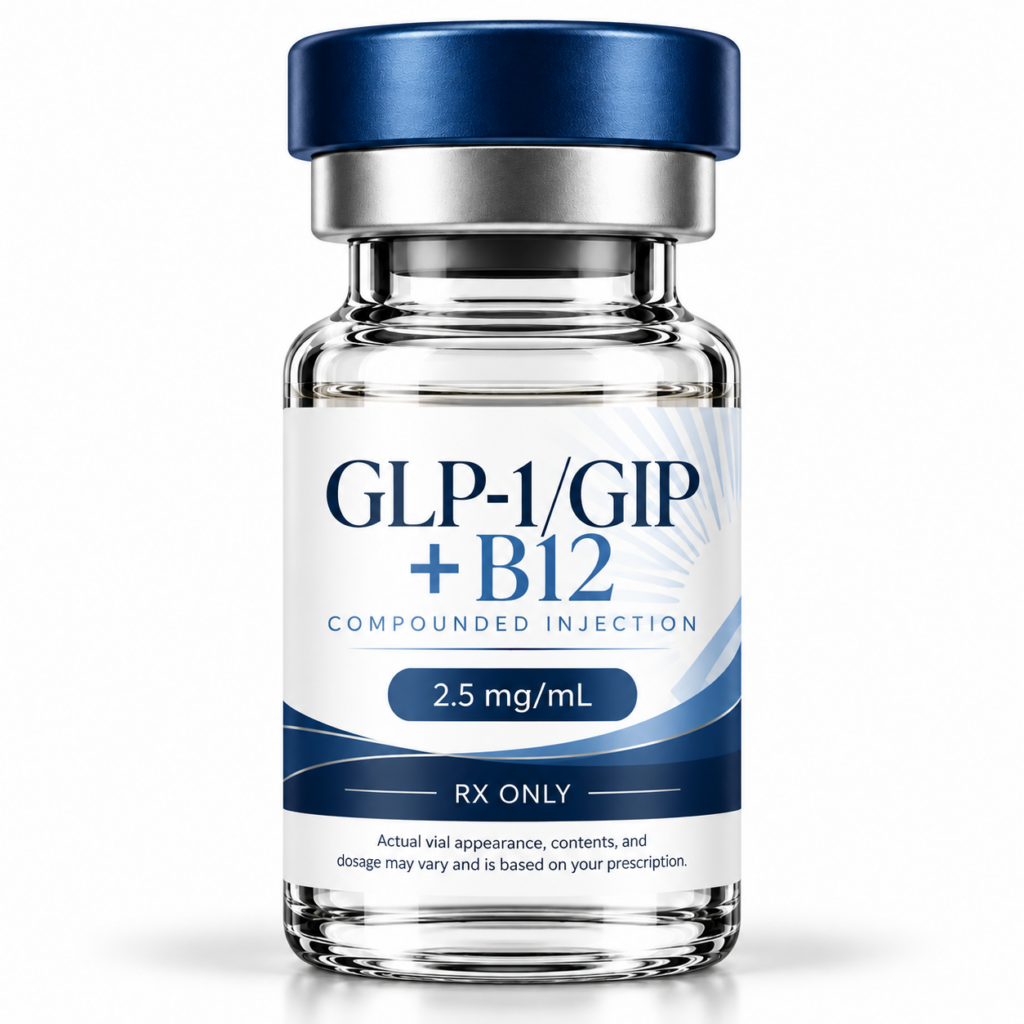
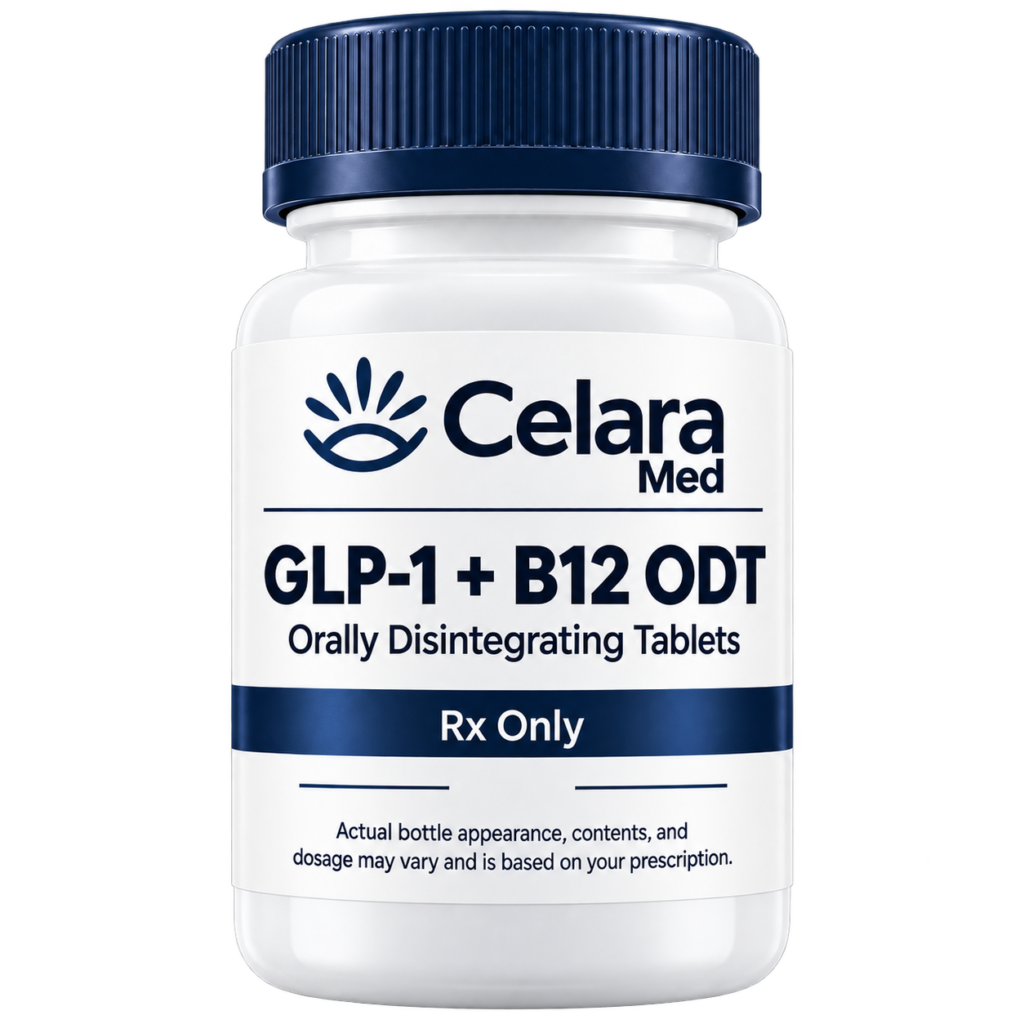
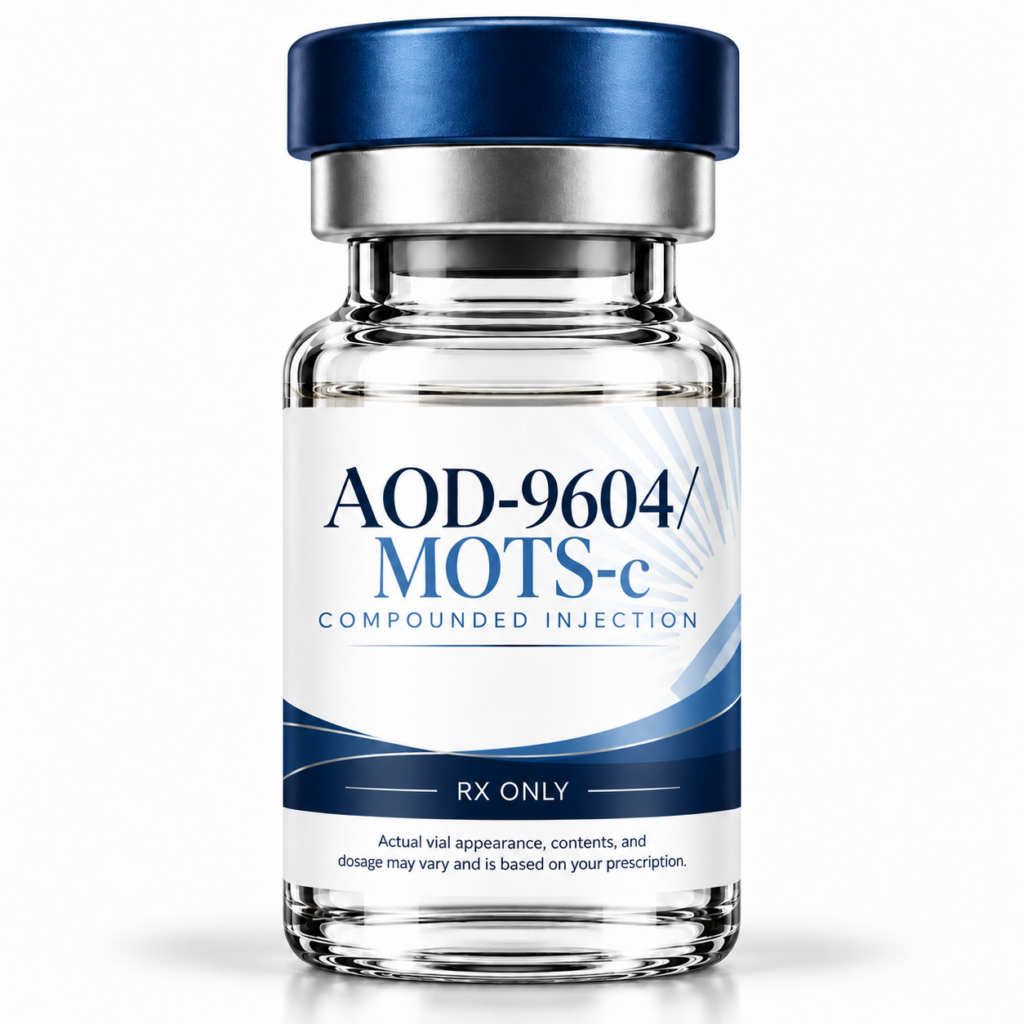
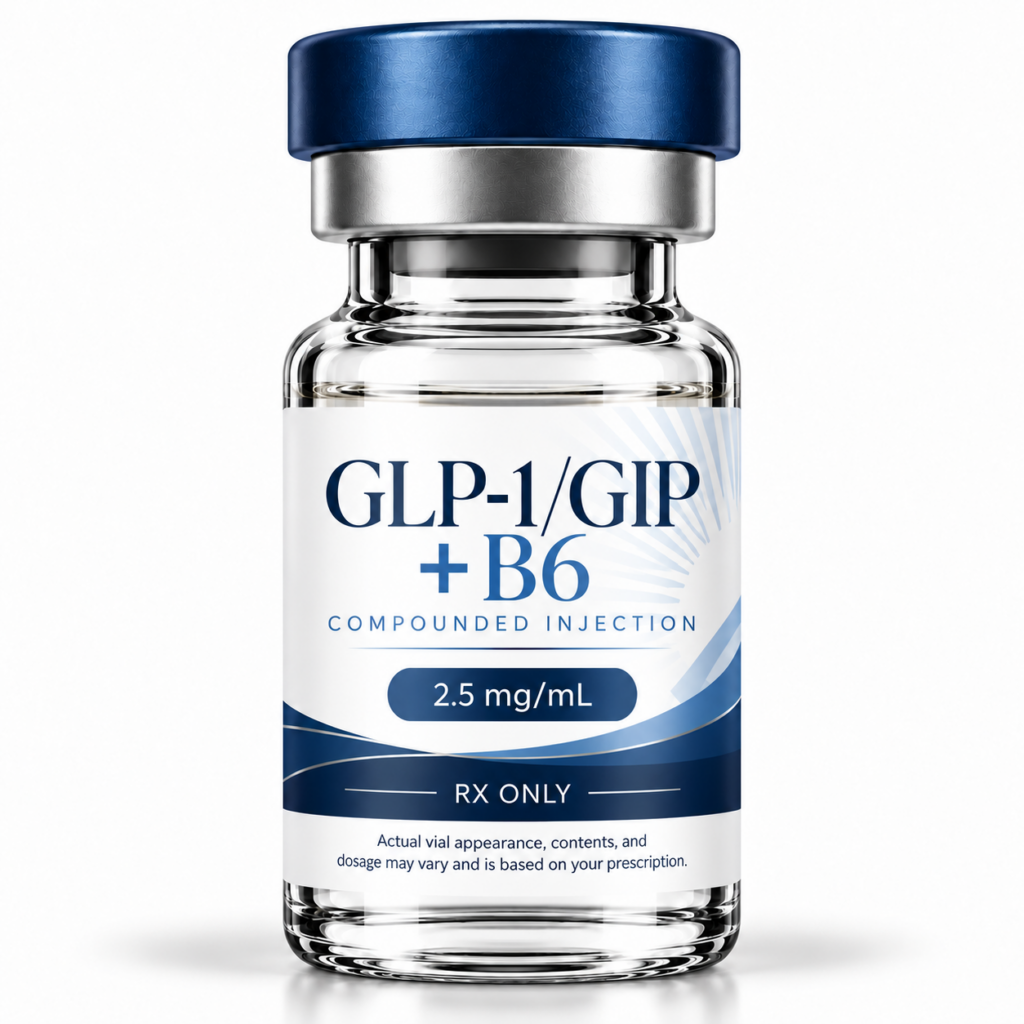
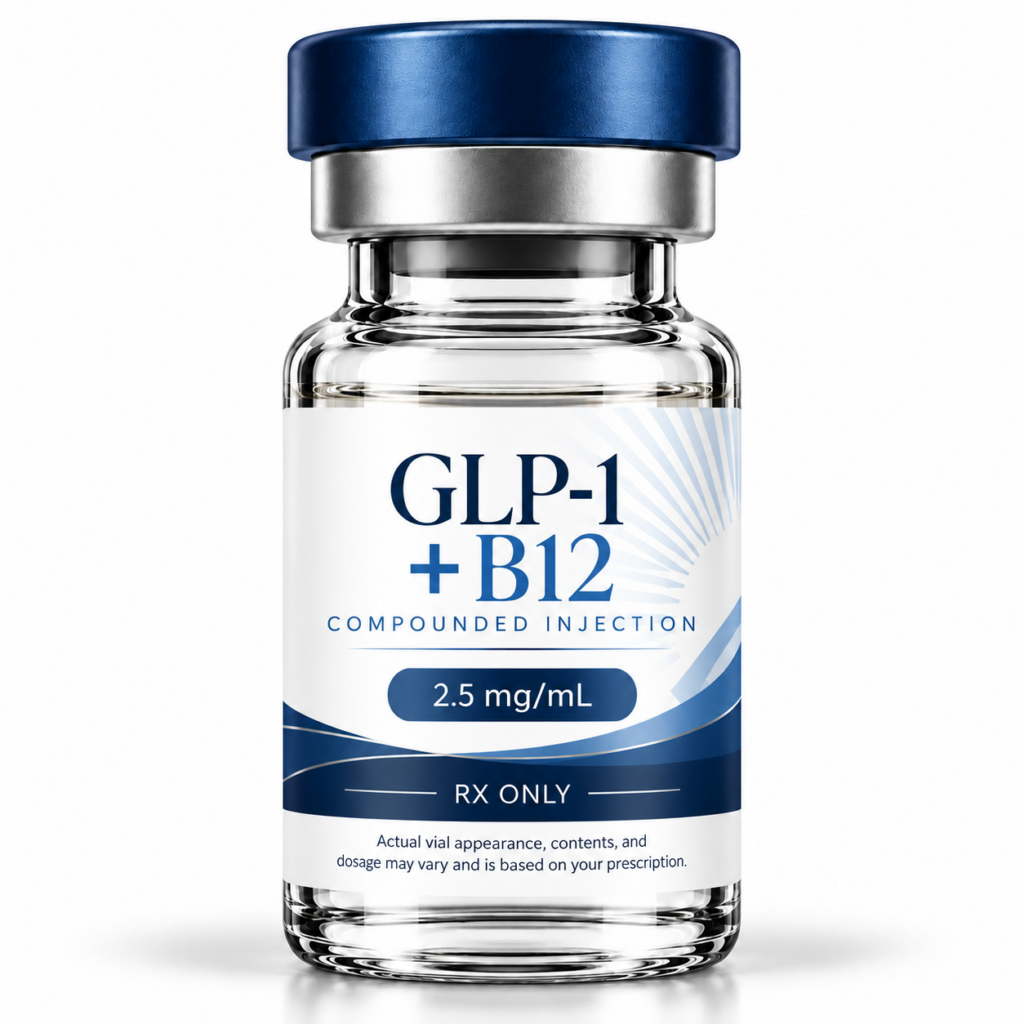
*Actual vial appearance, contents, and dosage may vary and is based on your prescription.
GLP-1 receptors are involved in central nervous system pathways that regulate hunger, fullness, and food intake behavior.
(pubmed.ncbi.nlm.nih.gov)
GLP-1 plays a role in glucose-dependent insulin secretion and glucagon suppression, supporting metabolic homeostasis.
(pubmed.ncbi.nlm.nih.gov)
GLP-1–based therapies have been studied extensively in randomized clinical trials evaluating body weight regulation in adults with overweight or obesity.
(pubmed.ncbi.nlm.nih.gov)
Large cardiovascular outcomes trials have evaluated GLP-1 receptor agonists for broader cardiometabolic risk markers in specific populations.
(pubmed.ncbi.nlm.nih.gov)
GLP-1 pathways are associated with sustained metabolic regulation when combined with lifestyle and nutrition support under medical supervision.
(pubmed.ncbi.nlm.nih.gov)
Prescriptions are issued by licensed healthcare providers based on an individual clinical evaluation and medical eligibility. Compounded medications are not FDA-approved, and their safety and effectiveness have not been independently evaluated by the FDA.
This information is provided for educational purposes only and is not intended to diagnose, treat, cure, or prevent any disease.
Below are major peer-reviewed studies and authoritative publications
related to GLP-1 physiology and GLP-1–based therapies:
Holst JJ. — The physiology of glucagon-like peptide-1.
Wilding JPH, et al. New England Journal of Medicine (2021).
Jastreboff AM, et al. New England Journal of Medicine (2022).
Drucker DJ. — Mechanisms of incretin action.
Marso SP, et al. NEJM — LEADER Trial.
Rubino D, et al. — Extended outcomes analysis.
Hear from individuals who chose a more guided, informed approach to their wellness journey.
Quick answers to common questions, designed to help you feel clear and confident as you explore Celara Med.
GLP-1 is a naturally occurring hormone that influences appetite regulation, insulin secretion, and glucose metabolism through receptor-mediated pathways in the gut and brain. (pubmed.ncbi.nlm.nih.gov)
No. GLP-1–based therapies do not replace insulin. They work through incretin pathways that influence insulin secretion in a glucose-dependent manner.
(pubmed.ncbi.nlm.nih.gov)
Adults seeking support for metabolic health, appetite regulation, or weight-management pathways may be evaluated by a licensed healthcare provider. Eligibility is determined through individual clinical review.
Individuals complete a medical intake reviewed by a licensed provider. A prescription is issued only if clinically appropriate.
Some individuals may experience gastrointestinal symptoms such as nausea, vomiting, diarrhea, or constipation, particularly during dose escalation. Side effects vary by individual and should be discussed with a provider.
GLP-1 therapies are typically administered via subcutaneous injection, with dosing schedules determined by the prescribing provider.
Yes. GLP-1 care is often combined with nutrition, lifestyle, and coaching support as part of a comprehensive wellness approach, when approved by a provider.
GLP-1 therapy through Celara Med is available in 48 states, excluding Alabama and Mississippi, subject to state regulations and provider licensure.
Yes. GLP-1 therapy is offered within a structured care plan designed for continuity, monitoring, and appropriate clinical oversight.