




Scientific Sources
Below are peer-reviewed studies, trials, and reputable scientific publications related to glutathione biology, mechanisms, and clinical research:
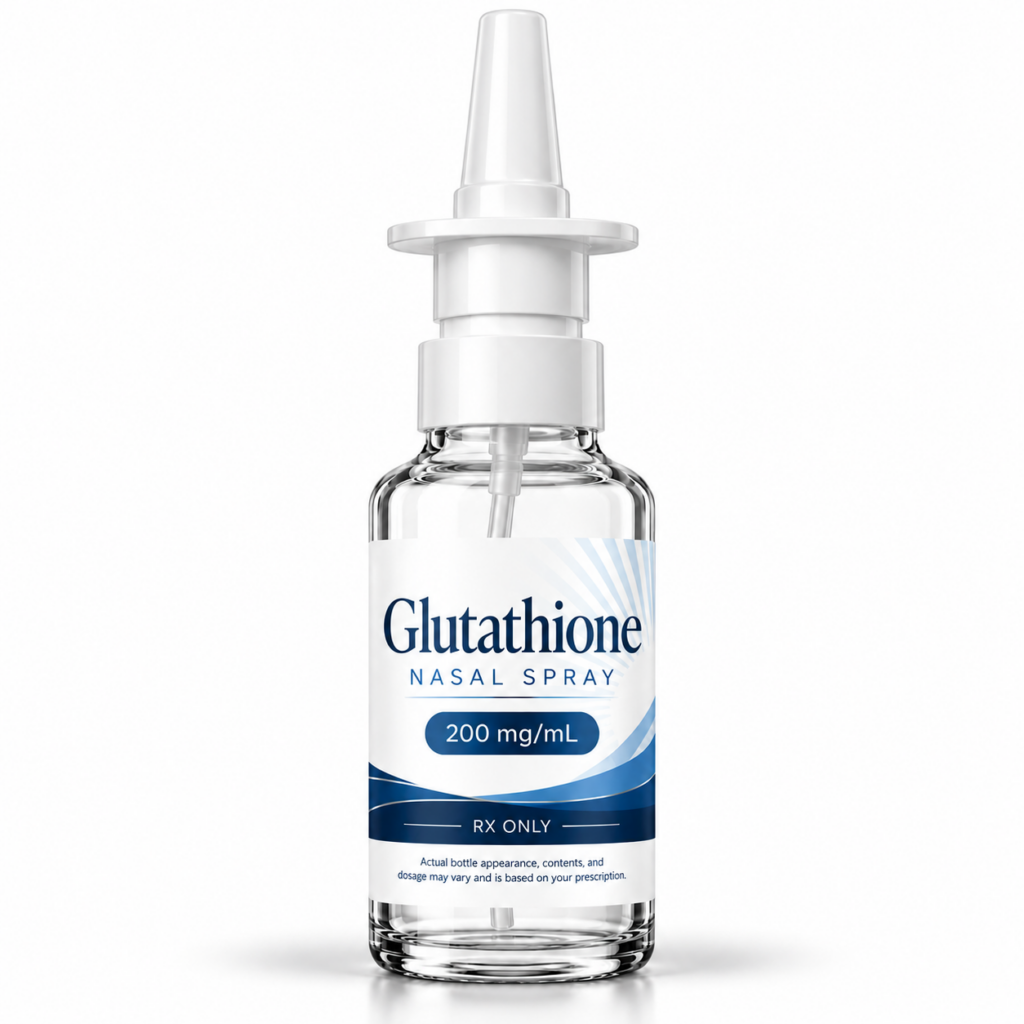
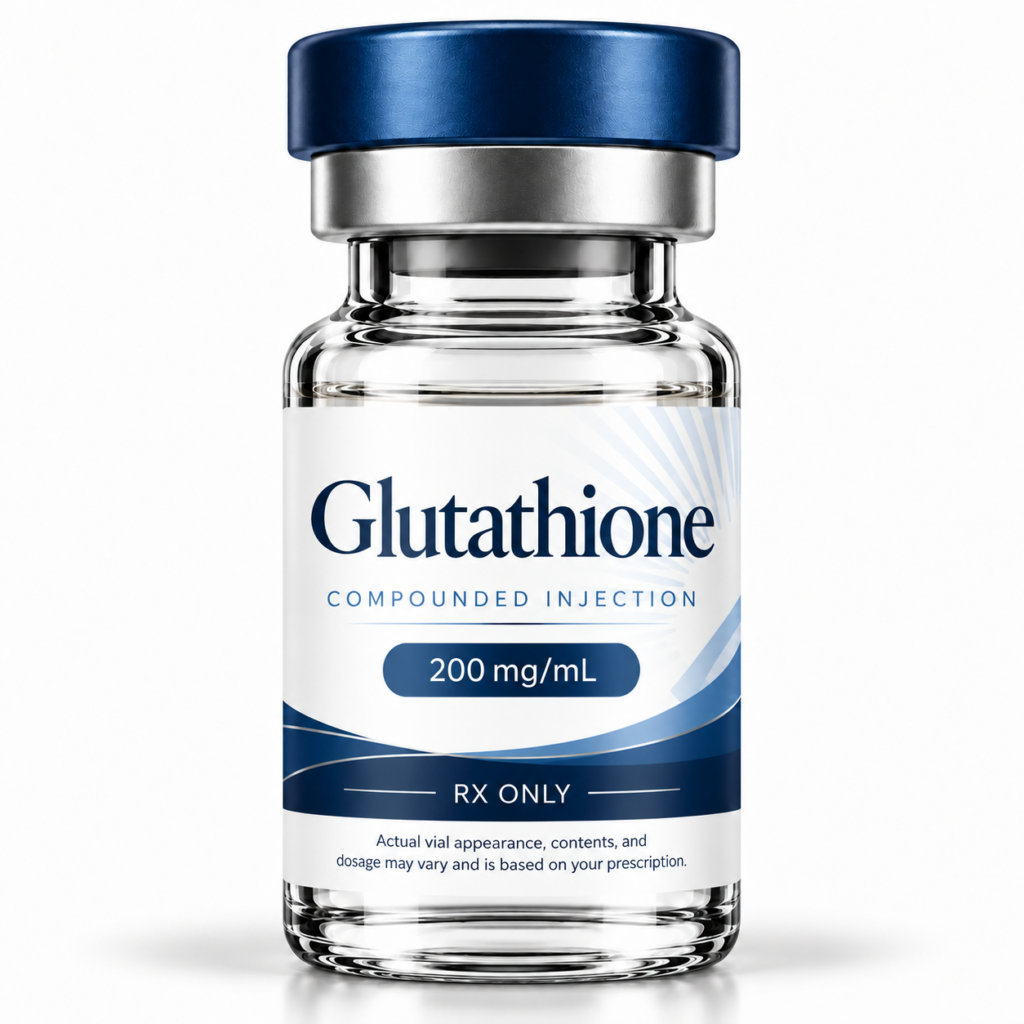
*Actual vial appearance, contents, and dosage may vary and is based on your prescription.
Glutathione is a key component of the body’s endogenous antioxidant system involved in neutralizing free radicals and maintaining redox balance.
By participating in enzyme systems such as glutathione peroxidase, glutathione contributes to the detoxification of metabolic byproducts and exogenous compounds.
Some clinical research suggests supplementation may improve systemic glutathione levels and influence markers of oxidative damage, particularly with longer-term use.
Glutathione has been studied in topical and oral forms for its influence on skin properties, pigmentation, and oxidative stress management.
Research indicates glutathione supports gene expression, protein synthesis, and cellular regulation that contributes to overall metabolic balance.
Prescriptions or clinical recommendations are issued by licensed healthcare providers based on individual clinical evaluation and eligibility. Compounded medications or supplement formulations have varying regulatory statuses, and their safety and effectiveness may not have been independently verified by regulatory agencies.
This information is provided for educational purposes only and is not intended to diagnose, treat, cure, or prevent any disease.
Information provided is for educational purposes only and does not constitute medical advice. All care and prescriptions are provided at the discretion of a licensed healthcare provider following an individual evaluation.
Below are peer-reviewed studies, trials, and reputable scientific publications related to glutathione biology, mechanisms, and clinical research:
Comprehensive review of glutathione’s role in antioxidant defense, metabolism, and cellular regulation.
Oral glutathione supplementation increased systemic GSH and reduced oxidative damage in patients with diabetes over six months.
No significant changes in oxidative stress biomarkers or glutathione status were observed in short-term oral supplementation in healthy adults.
Randomized, placebo-controlled study evaluating effects of glutathione on skin biophysical parameters.
Narrative review focusing on molecular and pharmacologic knowledge of glutathione in metabolic conditions, including nonalcoholic fatty liver disease.
Hear from individuals who chose a more guided, informed approach to their wellness journey.
Quick answers to common questions, designed to help you feel clear and confident as you explore Celara Med.
Glutathione is a small peptide produced naturally in cells that participates in antioxidant defense, detoxification reactions, and the regulation of oxidative stress and cellular homeostasis.
No. Glutathione is a tripeptide that acts as an antioxidant and participates in cellular metabolism, not a hormone or growth hormone analog.
Individuals interested in supporting cellular antioxidant pathways, metabolic balance, or glutathione status may be evaluated by a licensed healthcare provider. Eligibility is determined based on individual needs and clinical assessment.
Individuals complete a health intake that is reviewed by a licensed healthcare provider. Any recommendations or prescriptions are issued only if deemed clinically appropriate.
Responses vary; some individuals may experience mild digestive or allergic reactions. Side effects should be discussed with a provider.
In some cases, a healthcare provider may recommend glutathione supplementation alongside other wellness-focused therapies as part of a tailored plan.
Glutathione options through Celara Med are available in 48 states, excluding Alabama and Mississippi, subject to provider licensure and state regulations.
Glutathione support is offered as part of a structured care plan designed to support continuity, monitoring, and appropriate clinical oversight.